Story Reader
Pick a story, dive right in
Filter by category, level, or language — every story includes vocabulary, a moral, and a quiz.
90 stories found
The Shepherd Who Cried Wolf
A classic tale about a shepherd boy who plays a trick once too often — and learns why trust, once lost, is hard to win back.
समझदार कौआ
एक प्यासे कौए की कहानी जो कंकड़ डालकर घड़े का पानी ऊपर लाता है। (A thirsty crow uses clever thinking to reach the water in a pitcher.)
ஆமையும் முயலும்
வேகத்தை விட உறுதியான முயற்சி எப்படி வெல்லும் என்பதைக் காட்டும் அழியா கதை. (The timeless tale of how steady determination beats speed.)
The Unbrushed Teeth
A boy who skips brushing his teeth every night has a silly dream about tiny sugar bugs throwing a party in his mouth, and wakes up ready to grab his toothbrush.
बिना ब्रश किए दाँत
हर रात दाँत ब्रश करना छोड़ने वाला लड़का मुँह में चीनी के कीड़ों की पार्टी का मज़ेदार सपना देखता है। (A boy who skips brushing dreams of sugar bugs partying on his teeth.)
தேய்க்காத பற்கள்
தினமும் இரவு பல் துலக்குவதைத் தவிர்க்கும் சிறுவன், தன் வாயில் சர்க்கரைப் பூச்சிகள் விழா எடுக்கும் வேடிக்கையான கனவு காண்கிறான். (A boy who skips brushing dreams of sugar bugs partying on his teeth.)
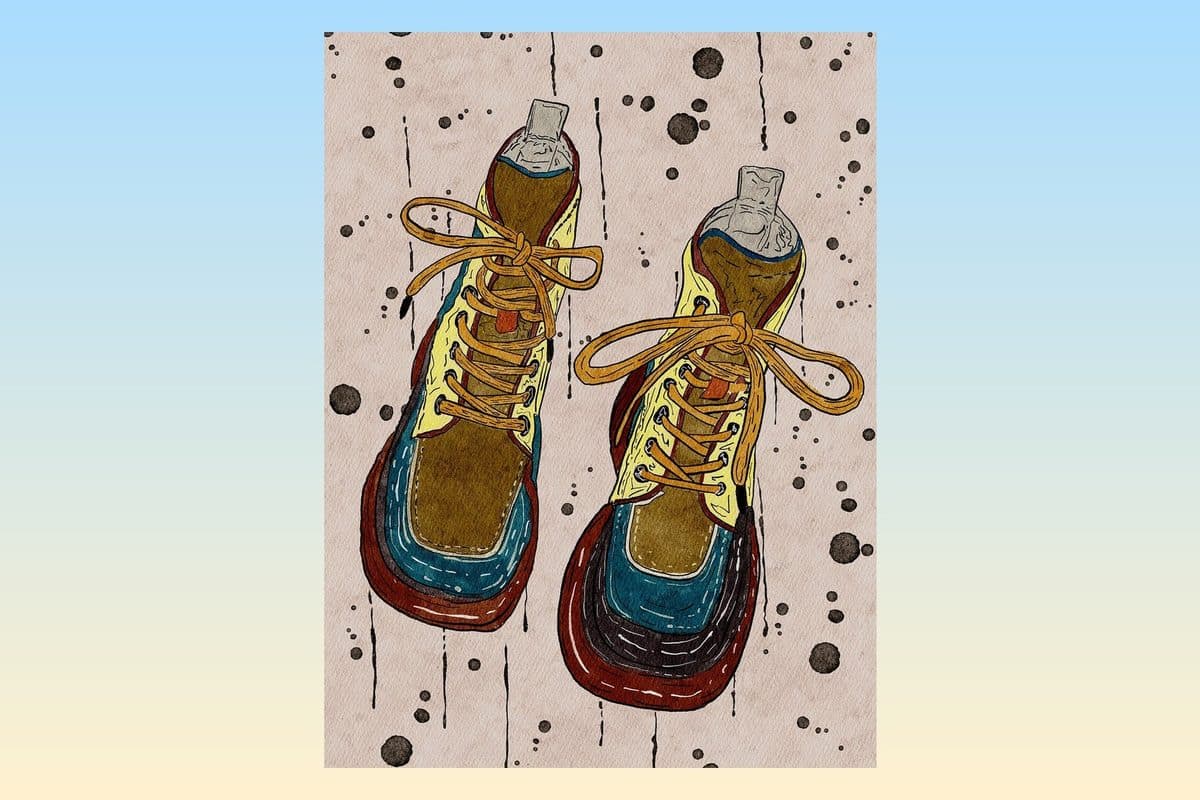
The Muddy Shoes
A boy who tracks mud through the house every day finally understands why his mother asks him to take off his shoes, when he has to clean the mess himself.
कीचड़ वाले जूते
हर दिन घर में कीचड़ के निशान छोड़ने वाला लड़का समझता है कि उसकी माँ जूते उतारने को क्यों कहती थी, जब उसे खुद गंदगी साफ करनी पड़ती है। (A boy who tracks mud finally understands why he should take off his shoes.)
சேறு நிறைந்த சாண்டல்
தினமும் வீட்டில் சேறு தடம் விடும் சிறுவன், தானே அழுக்கை சுத்தம் செய்ய வேண்டியிருக்கும்போது காலணிகளை கழற்ற வேண்டியதன் காரணத்தைப் புரிந்துகொள்கிறான். (A boy who tracks mud finally understands why he should take off his shoes.)
The Borrowed Pencil
A girl who never returns things she borrows finally understands the frustration of lending, after realizing she's the reason her own pencil case is always empty.
उधार की पेंसिल
उधार ली चीज़ें कभी वापस न करने वाली लड़की समझती है कि उधार देने की परेशानी क्या होती है, जब उसका अपना पेंसिल बॉक्स खाली रह जाता है। (A girl who never returns borrowed things understands the frustration of lending.)
கடன் வாங்கிய பென்சில்
கடன் வாங்கிய பொருட்களை ஒருபோதும் திருப்பிக் கொடுக்காத பெண், தன் சொந்த பென்சில் பெட்டி காலியாக இருப்பதைக் கண்டு கடன் கொடுப்பதின் விரக்தியைப் புரிந்துகொள்கிறாள். (A girl who never returns borrowed things understands the frustration of lending.)
The Interrupted Story
A boy who constantly interrupts his grandfather's stories learns, after being interrupted himself, why waiting for your turn to speak actually makes conversations better.
टोकी हुई कहानी
दादा की कहानियों को बार-बार टोकने वाला लड़का समझता है कि बोलने की बारी का इंतज़ार करना क्यों ज़रूरी है, जब खुद टोका जाता है। (A boy who interrupts stories learns why waiting your turn matters, after being interrupted himself.)
இடைமறித்த கதை
தாத்தாவின் கதைகளை தொடர்ந்து இடைமறிக்கும் சிறுவன், தானே இடைமறிக்கப்படும்போது பேச்சு முறையை காத்திருப்பது ஏன் முக்கியம் என்று கற்றுக்கொள்கிறான். (A boy who interrupts stories learns why waiting your turn matters.)
The Half-Finished Homework
A girl who always leaves homework for the last minute finally learns, during one stressful, rushed morning, why a little bit each day is easier than a mountain all at once.
आधा हुआ होमवर्क
हमेशा होमवर्क को आखिरी पल तक छोड़ने वाली लड़की एक तनावपूर्ण सुबह में सीखती है कि रोज़ थोड़ा करना क्यों आसान है। (A girl who leaves homework for the last minute learns a little each day beats a mountain.)
பாதி முடிந்த வீட்டு வேலை
எப்போதும் வீட்டு வேலையை கடைசி நேரத்திற்கு தள்ளும் பெண், ஒரு பதற்றமான காலையில் தினமும் கொஞ்சம் செய்வது ஏன் எளிது என்று கற்றுக்கொள்கிறாள். (A girl who leaves homework for the last minute learns a little each day beats a mountain.)
The Loud Chewer
A boy who chews with his mouth open and talks over everyone at dinner learns why table manners matter, when he finally notices how it feels from the other side.
ज़ोर से चबाने वाला
खुले मुँह से चबाने और सबसे ज़ोर से बात करने वाला लड़का समझता है कि टेबल मैनर्स क्यों मायने रखते हैं। (A boy who chews loudly learns why table manners matter, seeing it from the other side.)
சத்தமாக மென்பவன்
வாய் திறந்து மென்று அனைவரையும் விட சத்தமாக பேசும் சிறுவன், மேசை நடத்தை ஏன் முக்கியம் என்று மறுபக்கத்திலிருந்து புரிந்துகொள்கிறான். (A boy who chews loudly learns why table manners matter, seeing it from the other side.)
The Broken Toy Truth
A girl who breaks her brother's toy by accident is tempted to blame the family dog, until she realizes a small lie would cost her something far more valuable than the toy.
टूटे खिलौने का सच
गलती से भाई का खिलौना तोड़ने वाली लड़की कुत्ते पर दोष मढ़ने के बजाय सच बोलना चुनती है। (A girl who breaks her brother's toy is tempted to blame the dog, but chooses truth.)
உடைந்த விளையாட்டு உண்மை
தற்செயலாக தம்பியின் பொம்மையை உடைத்த பெண், நாயின் மேல் குற்றம் சாட்டுவதற்குப் பதிலாக உண்மையைச் சொல்ல தேர்வு செய்கிறாள். (A girl who breaks her brother's toy is tempted to blame the dog, but chooses truth.)
The Wasted Water
A boy who leaves the tap running while brushing his teeth learns the true value of water after a visit to a village where his cousin walks miles each day just to fetch it.
बर्बाद हुआ पानी
दाँत ब्रश करते समय नल खुला छोड़ने वाला लड़का पानी की सच्ची कीमत तब समझता है जब उसका चचेरा भाई हर दिन मीलों चलकर पानी लाता है। (A boy who wastes water learns its true value visiting a village where water is fetched by hand.)
வீணாக்கிய தண்ணீர்
பல் துலக்கும்போது குழாயை திறந்தே வைக்கும் சிறுவன், தன் உறவினர் தினமும் மைல்கள் நடந்து தண்ணீர் கொண்டு வரும் கிராமத்திற்குச் சென்று அதன் மதிப்பைப் புரிந்துகொள்கிறான். (A boy who wastes water learns its true value in a village where water is fetched by hand.)
The Excuse Machine
A boy who always has an excuse ready for everything learns from his coach that owning a mistake, instead of explaining it away, is what actually helps him improve.
बहाना बनाने की मशीन
हर चीज़ के लिए बहाना तैयार रखने वाला लड़का कोच से सीखता है कि गलती मानना बहाना बनाने से ज़्यादा फायदेमंद है। (A boy who always has excuses learns from his coach that owning a mistake helps him improve.)
சாக்கு சொன்ன யந்திரம்
எல்லாவற்றுக்கும் ஒரு காரணத்தை தயார் வைத்திருக்கும் சிறுவன், தவறை ஒப்புக்கொள்வது காரணம் சொல்வதை விட உதவும் என்று பயிற்சியாளரிடமிருந்து கற்றுக்கொள்கிறான். (A boy who always has excuses learns from his coach that owning a mistake helps him improve.)
The Line Skipper
A boy who always pushes to the front of every line learns what it feels like to be skipped himself, and discovers that waiting your turn is really about respecting everyone else's time too.
लाइन तोड़ने वाला
हमेशा लाइन के आगे घुसने वाला लड़का समझता है कि खुद के साथ ऐसा होने पर कैसा महसूस होता है। (A boy who always cuts in line learns what it feels like to be cut in front of.)
வரிசை தாண்டியவன்
எப்போதும் வரிசையின் முன் நுழையும் சிறுவன், தானே அப்படி நடத்தப்படும்போது எப்படி உணரும் என்று கற்றுக்கொள்கிறான். (A boy who always cuts in line learns what it feels like to be cut in front of.)
वह अस्त-व्यस्त कमरा
आरव अपनी माँ से वादा करता है कि वह अपने खिलौनों के साथ बस पाँच मिनट और खेलने के बाद अपना कमरा साफ करेगा — और पाता है कि 'बस पाँच मिनट और' का 'आज नहीं' बनने का एक अजीब तरीका है जब तक वह वाकई अपनी बात नहीं रखता। (Aarav promises his mother he'll clean his room after playing just five more minutes with his toys — and discovers that 'five more minutes' has a funny way of turning into 'not today' unless he actually keeps his word.)
वह छीना हुआ खिलौना
जब नीना अपनी बारी का इंतज़ार न करना चाहते हुए अपने चचेरे भाई के हाथों से सीधे खिलौना ट्रेन छीन लेती है, वह सीखती है कि अभी कुछ छीनना कुछ मिनट इंतज़ार करने से कहीं ज़्यादा बुरा महसूस कराता है। (When Nina grabs the toy train right out of her cousin's hands because she doesn't want to wait her turn, she learns that snatching something now feels a lot worse than waiting a few minutes ever would have.)
The Copied Homework
The morning before math homework is due, Kabir copies his friend's answers word for word instead of doing the work himself — and discovers that the grade he 'earned' feels completely hollow compared to the ones he actually worked for.
The Untidy Room
Aarav promises his mother he'll clean his room after playing just five more minutes with his toys — and discovers that 'five more minutes' has a funny way of turning into 'not today' unless he actually keeps his word.
அந்த குழப்பமான அறை
தன் பொம்மைகளுடன் இன்னும் ஐந்து நிமிடம் மட்டும் விளையாடிவிட்டு தன் அறையை சுத்தம் செய்வதாக ஆரவ் தன் அம்மாவிடம் வாக்குறுதி அளிக்கிறான் — 'இன்னும் ஐந்து நிமிடம்' என்பது தான் உண்மையில் தன் வார்த்தையை காக்காவிட்டால் 'இன்று இல்லை' என்று மாறும் விந்தையான வழியைக் கண்டுபிடிக்கிறான். (Aarav promises his mother he'll clean his room after playing just five more minutes with his toys — and discovers that 'five more minutes' has a funny way of turning into 'not today' unless he actually keeps his word.)
The Little White Lie
When Mira eats the last cookie she wasn't supposed to touch and tells her father a small lie about it, she learns that a tiny untruth can feel a lot heavier than the truth ever would have.
वह छोटा सा झूठ
जब मीरा वह आखिरी बिस्कुट खा लेती है जिसे उसे छूना नहीं था और अपने पिता से इसके बारे में एक छोटा सा झूठ बोलती है, वह सीखती है कि एक छोटा झूठ सच से कहीं ज़्यादा भारी महसूस हो सकता है। (When Mira eats the last cookie she wasn't supposed to touch and tells her father a small lie about it, she learns that a tiny untruth can feel a lot heavier than the truth ever would have.)
அந்த சிறிய பொய்
தான் தொடக்கூடாத கடைசி பிஸ்கட்டை மீரா சாப்பிட்டு, அதைப் பற்றி தன் அப்பாவிடம் ஒரு சிறிய பொய் சொல்லும்போது, ஒரு சிறிய பொய் உண்மையை விட மிகவும் கனமாக உணரப்படலாம் என்று அவள் கற்றுக்கொள்கிறாள். (When Mira eats the last cookie she wasn't supposed to touch and tells her father a small lie about it, she learns that a tiny untruth can feel a lot heavier than the truth ever would have.)
The Late Wake-Up
After hitting snooze on his alarm four times, Dev rushes through a chaotic morning of missed breakfast and a mad dash to school — and learns that a few extra minutes of sleep can cost a whole morning of calm.
वह देर से जागना
अपने अलार्म को चार बार स्नूज़ करने के बाद, देव छूटे हुए नाश्ते और स्कूल के लिए पागल दौड़ की एक अफरा-तफरी भरी सुबह से गुज़रता है — और सीखता है कि नींद के कुछ अतिरिक्त मिनट पूरी सुबह की शांति को खर्च कर सकते हैं। (After hitting snooze on his alarm four times, Dev rushes through a chaotic morning of missed breakfast and a mad dash to school — and learns that a few extra minutes of sleep can cost a whole morning of calm.)
தாமதமான விழிப்பு
தன் அலாரத்தை நான்கு முறை ஸ்னூஸ் செய்த பிறகு, தேவ் காலை உணவை தவறவிட்டு பள்ளிக்கு பைத்தியக்கார ஓட்டமாக ஒரு குழப்பமான காலையை கடக்கிறான் — சில கூடுதல் நிமிட தூக்கம் ஒரு முழு அமைதியான காலையையும் இழக்க வைக்கும் என்று கற்றுக்கொள்கிறான். (After hitting snooze on his alarm four times, Dev rushes through a chaotic morning of missed breakfast and a mad dash to school — and learns that a few extra minutes of sleep can cost a whole morning of calm.)
The Grabbed Toy
When Nina grabs the toy train right out of her cousin's hands because she doesn't want to wait her turn, she learns that snatching something now feels a lot worse than waiting a few minutes ever would have.
பறிக்கப்பட்ட பொம்மை
தன் முறைக்காக காத்திருக்க விரும்பாததால் நினா தன் உறவினரின் கைகளிலிருந்து நேரடியாக பொம்மை ரயிலைப் பறிக்கும்போது, இப்போது எதையாவது பறிப்பது சில நிமிடங்கள் காத்திருப்பதை விட மிக மோசமாக உணரப்படும் என்று அவள் கற்றுக்கொள்கிறாள். (When Nina grabs the toy train right out of her cousin's hands because she doesn't want to wait her turn, she learns that snatching something now feels a lot worse than waiting a few minutes ever would have.)
The Group Project Slacker
When Rohit does almost nothing for the group science project and still expects to share the same grade as his teammates, he has to face what fairness actually means when everyone finds out.
वह ग्रुप प्रोजेक्ट में काम न करने वाला
जब रोहित ग्रुप साइंस प्रोजेक्ट के लिए लगभग कुछ नहीं करता और फिर भी अपने साथियों के जैसा ही ग्रेड पाने की उम्मीद करता है, उसे यह सामना करना पड़ता है कि जब सब कुछ पता चलता है तो निष्पक्षता का असल में क्या मतलब है। (When Rohit does almost nothing for the group science project and still expects to share the same grade as his teammates, he has to face what fairness actually means when everyone finds out.)
குழு திட்டத்தில் வேலை செய்யாதவன்
ரோஹித் குழு அறிவியல் திட்டத்திற்காக கிட்டத்தட்ட எதுவும் செய்யாமல் இருந்தும் தன் அணி உறுப்பினர்களைப் போலவே அதே மதிப்பெண்ணைப் பெற எதிர்பார்க்கும்போது, அனைவரும் அறியும்போது நியாயம் என்பது உண்மையில் என்ன என்பதை அவன் எதிர்கொள்ள வேண்டியிருக்கிறது. (When Rohit does almost nothing for the group science project and still expects to share the same grade as his teammates, he has to face what fairness actually means when everyone finds out.)
The Found Money
When Zara finds a hundred-rupee note lying on the playground with no one around to see, she has to decide between quietly keeping money that isn't hers and the much harder job of finding out who actually lost it.
वह मिला हुआ पैसा
जब ज़ारा को खेल के मैदान में पड़ा सौ रुपये का नोट मिलता है और आसपास उसे देखने वाला कोई नहीं होता, उसे चुपचाप वह पैसा रखने और यह पता लगाने के कहीं ज़्यादा मुश्किल काम के बीच चुनना पड़ता है कि इसे असल में किसने खोया। (When Zara finds a hundred-rupee note lying on the playground with no one around to see, she has to decide between quietly keeping money that isn't hers and the much harder job of finding out who actually lost it.)
கிடைத்த பணம்
விளையாட்டு மைதானத்தில் கிடந்த நூறு ரூபாய் நோட்டை சாரா கண்டுபிடிக்கும்போது, யாரும் அருகில் பார்க்காதபோது, தனக்குச் சொந்தமில்லாத பணத்தை அமைதியாக வைத்திருப்பதற்கும் அதை உண்மையில் இழந்தவர் யார் என்று கண்டுபிடிக்கும் மிகக் கடினமான வேலைக்கும் இடையே அவள் தேர்வு செய்ய வேண்டியிருக்கிறது. (When Zara finds a hundred-rupee note lying on the playground with no one around to see, she has to decide between quietly keeping money that isn't hers and the much harder job of finding out who actually lost it.)
वह नकल किया हुआ होमवर्क
गणित होमवर्क जमा होने से एक सुबह पहले, कबीर खुद काम करने की बजाय अपने दोस्त के जवाब शब्द-दर-शब्द नकल करता है — और पाता है कि जो ग्रेड उसने 'कमाया' वह उन ग्रेडों के मुकाबले बिल्कुल खोखला महसूस होता है जिनके लिए उसने असल में मेहनत की थी। (The morning before math homework is due, Kabir copies his friend's answers word for word instead of doing the work himself — and discovers that the grade he 'earned' feels completely hollow compared to the ones he actually worked for.)
நகலெடுக்கப்பட்ட வீட்டுப்பாடம்
கணித வீட்டுப்பாடம் சமர்ப்பிக்க வேண்டிய காலைக்கு முன், கபீர் தானே வேலை செய்வதற்குப் பதிலாக தன் நண்பனின் பதில்களை வார்த்தைக்கு வார்த்தை நகலெடுக்கிறான் — தான் 'சம்பாதித்த' மதிப்பெண் தான் உண்மையில் உழைத்துப் பெற்றவற்றுடன் ஒப்பிடும்போது முற்றிலும் வெறுமையாக உணரப்படுகிறது என்று கண்டுபிடிக்கிறான். (The morning before math homework is due, Kabir copies his friend's answers word for word instead of doing the work himself — and discovers that the grade he 'earned' feels completely hollow compared to the ones he actually worked for.)
The Unkind Joke
When his joke about a classmate's stutter gets a big laugh from the class, Yusuf feels like a comedy star — until he sees the classmate's face and realizes the laugh he'd earned had cost someone else something much bigger.
वह अशिष्ट मज़ाक
जब एक सहपाठी के हकलाने पर उसका मज़ाक क्लास से एक बड़ी हँसी पाता है, यूसुफ को कॉमेडी स्टार जैसा महसूस होता है — जब तक वह सहपाठी का चेहरा नहीं देखता और समझता है कि जो हँसी उसने कमाई उसने किसी और को कुछ बहुत बड़ा गँवाया। (When his joke about a classmate's stutter gets a big laugh from the class, Yusuf feels like a comedy star — until he sees the classmate's face and realizes the laugh he'd earned had cost someone else something much bigger.)
இரக்கமற்ற நகைச்சுவை
வகுப்புத் தோழனின் திக்குதலைப் பற்றிய அவனுடைய நகைச்சுவை வகுப்பிலிருந்து பெரிய சிரிப்பைப் பெறும்போது, யூசுஃப் ஒரு நகைச்சுவை நட்சத்திரம் போல் உணர்கிறான் — வகுப்புத் தோழனின் முகத்தைப் பார்த்து, தான் சம்பாதித்த சிரிப்பு வேறு ஒருவருக்கு மிகப் பெரிய ஒன்றை இழக்க வைத்தது என்று உணரும் வரை. (When his joke about a classmate's stutter gets a big laugh from the class, Yusuf feels like a comedy star — until he sees the classmate's face and realizes the laugh he'd earned had cost someone else something much bigger.)
The Broken Promise to a Pet
Ever since Maya begged her parents for a puppy and promised to walk him every single day, the walks have quietly gotten shorter and less frequent — until she notices her once-bouncy dog has grown sad and restless, and realizes exactly why.
वह शर्तों वाला तोहफ़ा
जब रेहान अपने सहपाठी को उसके जन्मदिन पर एक महँगा तोहफ़ा देता है और फिर बदले में हर भावी पार्टी में बुलाए जाने की उम्मीद रखता है, वह अपने पिता से देने और चुपचाप हिसाब रखने के बीच के फर्क को सीखता है। (When Rehan gives his classmate an expensive gift for his birthday and then expects to be invited to every future party in return, he learns from his father the difference between giving and quietly keeping score.)
पालतू जानवर से टूटा वादा
जब से माया ने अपने माता-पिता से एक पिल्ला माँगा और उसे हर रोज़ टहलाने का वादा किया, टहलाना चुपचाप छोटा और कम बार-बार होता गया — जब तक उसे नोटिस नहीं होता कि उसका कभी उछलता-कूदता कुत्ता उदास और बेचैन हो गया है, और वह समझ जाती है कि क्यों। (Ever since Maya begged her parents for a puppy and promised to walk him every single day, the walks have quietly gotten shorter and less frequent — until she notices her once-bouncy dog has grown sad and restless, and realizes exactly why.)
செல்லப்பிராணிக்கு உடைந்த வாக்குறுதி
தன் பெற்றோரிடம் ஒரு நாய்க்குட்டி வேண்டி, ஒவ்வொரு நாளும் அதை நடத்திச் செல்வதாக மாயா வாக்குறுதி அளித்ததிலிருந்து, நடைகள் அமைதியாக குறுகியதாகவும் அரிதாகவும் ஆனது — ஒரு காலத்தில் துள்ளிக் குதித்த தன் நாய் சோகமாகவும் அமைதியின்றியும் மாறியிருப்பதை அவள் கவனிக்கும் வரை, ஏன் என்று அவள் சரியாக உணர்கிறாள். (Ever since Maya begged her parents for a puppy and promised to walk him every single day, the walks have quietly gotten shorter and less frequent — until she notices her once-bouncy dog has grown sad and restless, and realizes exactly why.)
The Blame Game
When the classroom fish tank gets knocked over during recess and Aditi is the one who bumped it, her first instinct is to quietly let a classmate take the blame — until the weight of watching someone else get punished for her mistake becomes too heavy to carry.
वह दोष का खेल
जब रिसेस के दौरान क्लासरूम की मछली टंकी गिर जाती है और अदिति ही वह होती है जिसने इसे टकराया, उसकी पहली प्रवृत्ति चुपचाप एक सहपाठी को दोष लेने देने की होती है — जब तक किसी और को उसकी गलती की सज़ा मिलते देखने का बोझ ढोने के लिए बहुत भारी नहीं हो जाता। (When the classroom fish tank gets knocked over during recess and Aditi is the one who bumped it, her first instinct is to quietly let a classmate take the blame — until the weight of watching someone else get punished for her mistake becomes too heavy to carry.)
குற்றச்சாட்டு விளையாட்டு
இடைவேளையின்போது வகுப்பறை மீன் தொட்டி கவிழும்போது, அதை மோதியவள் அதிதி — அவளுடைய முதல் உள்ளுணர்வு அமைதியாக ஒரு வகுப்புத் தோழி குற்றத்தை ஏற்க விடுவதாக இருந்தது — வேறு ஒருவர் தன் தவறுக்காக தண்டிக்கப்படுவதைப் பார்க்கும் சுமை தாங்க முடியாத அளவு கனமாகும் வரை. (When the classroom fish tank gets knocked over during recess and Aditi is the one who bumped it, her first instinct is to quietly let a classmate take the blame — until the weight of watching someone else get punished for her mistake becomes too heavy to carry.)
The Secret Worth Breaking
When her best friend Nisha confides that an older kid has been threatening her after school and makes Priya swear never to tell anyone, Priya has to decide whether keeping the promise is more important than keeping Nisha safe.
वह राज़ जो तोड़ने लायक था
जब उसकी सबसे अच्छी दोस्त निशा उसे बताती है कि स्कूल के बाद एक बड़ा बच्चा उसे धमका रहा है और प्रिया से किसी को न बताने की कसम लेती है, प्रिया को यह तय करना पड़ता है कि क्या वादा निभाना निशा को सुरक्षित रखने से ज़्यादा ज़रूरी है। (When her best friend Nisha confides that an older kid has been threatening her after school and makes Priya swear never to tell anyone, Priya has to decide whether keeping the promise is more important than keeping Nisha safe.)
உடைக்கத் தகுதியான ரகசியம்
தன் நெருங்கிய தோழி நிஷா, பள்ளிக்குப் பிறகு ஒரு மூத்த குழந்தை தன்னை மிரட்டிக்கொண்டிருப்பதாக நம்பி சொல்லி, யாரிடமும் சொல்லக்கூடாது என்று ப்ரியாவிடம் சத்தியம் வாங்கும்போது, வாக்குறுதியைக் காப்பது நிஷாவைப் பாதுகாப்பாக வைப்பதை விட முக்கியமா என்று ப்ரியா முடிவு செய்ய வேண்டியிருக்கிறது. (When her best friend Nisha confides that an older kid has been threatening her after school and makes Priya swear never to tell anyone, Priya has to decide whether keeping the promise is more important than keeping Nisha safe.)
The Hollow Victory
When Aryan secretly looks at another competitor's answer sheet during the district spelling bee and wins first place, the trophy in his hands feels strangely weightless compared to what he'd imagined it would feel like.
वह खोखली जीत
जब आर्यन ज़िले की स्पेलिंग बी में चुपचाप एक दूसरे प्रतियोगी की उत्तर पत्रिका देख लेता है और पहला स्थान जीत जाता है, उसके हाथों में ट्रॉफी अजीब तरह से हल्की महसूस होती है उससे जो उसने कल्पना की थी। (When Aryan secretly looks at another competitor's answer sheet during the district spelling bee and wins first place, the trophy in his hands feels strangely weightless compared to what he'd imagined it would feel like.)
வெறுமையான வெற்றி
மாவட்ட எழுத்துப் போட்டியின்போது ஆர்யன் மற்றொரு போட்டியாளரின் பதில் தாளை ரகசியமாக பார்த்து முதலிடம் வெல்லும்போது, அவனுடைய கைகளில் இருக்கும் கோப்பை அவன் கற்பனை செய்ததை விட விந்தையாக எடையற்றதாக உணரப்படுகிறது. (When Aryan secretly looks at another competitor's answer sheet during the district spelling bee and wins first place, the trophy in his hands feels strangely weightless compared to what he'd imagined it would feel like.)
The Quick Judgment
Convinced that the scruffy new kid who never talks must be rude and unfriendly, Vikram avoids him for weeks — until a chance conversation reveals a shy, kind boy hidden behind an assumption Vikram had never actually tested.
वह जल्दबाज़ी में लिया गया फैसला
यकीन करते हुए कि जो नया, मैला-कुचैला बच्चा कभी बात नहीं करता वह ज़रूर रूखा और अमित्रवत होगा, विक्रम हफ्तों तक उससे बचता है — जब तक एक इत्तेफ़ाकी बातचीत एक शर्मीले, दयालु लड़के को उजागर नहीं करती जो एक ऐसी धारणा के पीछे छुपा था जिसे विक्रम ने कभी परखा ही नहीं था। (Convinced that the scruffy new kid who never talks must be rude and unfriendly, Vikram avoids him for weeks — until a chance conversation reveals a shy, kind boy hidden behind an assumption Vikram had never actually tested.)
அவசரமான தீர்ப்பு
எப்போதும் பேசாத, சாதாரண உடை அணிந்த புதிய குழந்தை நிச்சயமாக முரட்டுத்தனமானவனாகவும் நட்பற்றவனாகவும் இருப்பான் என்று உறுதியாக நம்பி, விக்ரம் வாரக்கணக்கில் அவனைத் தவிர்க்கிறான் — ஒரு தற்செயலான உரையாடல் விக்ரம் ஒருபோதும் சோதிக்காத ஒரு அனுமானத்தின் பின்னால் மறைந்திருந்த வெட்கப்படும், இரக்கமுள்ள சிறுவனை வெளிப்படுத்தும் வரை. (Convinced that the scruffy new kid who never talks must be rude and unfriendly, Vikram avoids him for weeks — until a chance conversation reveals a shy, kind boy hidden behind an assumption Vikram had never actually tested.)
The Spreading Rumor
When Tanya repeats a half-heard, slightly exaggerated story about a classmate to sound interesting at lunch, she watches in horror over the next week as the small twist she added spreads through the school completely out of her control.
वह फैलती हुई अफ़वाह
जब तान्या लंच में दिलचस्प दिखने के लिए एक सहपाठी के बारे में आधी सुनी, थोड़ी बढ़ा-चढ़ाकर कही कहानी दोहराती है, वह अगले हफ्ते डर के मारे देखती है कि जो छोटा मोड़ उसने जोड़ा वह पूरे स्कूल में उसके नियंत्रण से पूरी तरह बाहर फैल जाता है। (When Tanya repeats a half-heard, slightly exaggerated story about a classmate to sound interesting at lunch, she watches in horror over the next week as the small twist she added spreads through the school completely out of her control.)
பரவும் வதந்தி
மதிய உணவின்போது சுவாரஸ்யமாகத் தெரிய, ஒரு வகுப்புத் தோழியைப் பற்றி பாதி கேட்ட, சிறிது மிகைப்படுத்திய கதையை தான்யா மீண்டும் சொல்லும்போது, தான் சேர்த்த சிறிய திருப்பம் அடுத்த வாரம் தன் கட்டுப்பாட்டைத் தாண்டி பள்ளி முழுவதும் பரவுவதை திகிலுடன் பார்க்கிறாள். (When Tanya repeats a half-heard, slightly exaggerated story about a classmate to sound interesting at lunch, she watches in horror over the next week as the small twist she added spreads through the school completely out of her control.)
The Silent Bystander
Every day for a month, Karan watches a bigger kid tease and corner a smaller student near the lockers, telling himself it's none of his business — until he notices that his silence has quietly become its own kind of permission.
वह खामोश तमाशबीन
एक महीने तक हर रोज़, करण लॉकरों के पास एक बड़े बच्चे को एक छोटे छात्र को चिढ़ाते और घेरते देखता है, खुद से कहते हुए कि यह उसका मामला नहीं है — जब तक उसे नोटिस नहीं होता कि उसकी खामोशी चुपचाप अपनी तरह की अनुमति बन गई है। (Every day for a month, Karan watches a bigger kid tease and corner a smaller student near the lockers, telling himself it's none of his business — until he notices that his silence has quietly become its own kind of permission.)
அமைதியான பார்வையாளன்
ஒரு மாதம் ஒவ்வொரு நாளும், லாக்கர்களுக்கு அருகில் ஒரு பெரிய குழந்தை ஒரு சிறிய மாணவனை கேலி செய்து மூலைக்கு தள்ளுவதை கரண் பார்க்கிறான், இது தன் பிரச்சினை இல்லை என்று தனக்குத்தானே சொல்லிக்கொள்கிறான் — தன் மௌனம் அமைதியாக அதற்கே உரிய ஒரு வகையான அனுமதியாக மாறியிருப்பதை அவன் கவனிக்கும் வரை. (Every day for a month, Karan watches a bigger kid tease and corner a smaller student near the lockers, telling himself it's none of his business — until he notices that his silence has quietly become its own kind of permission.)
The Unpaid Kindness
Years after a stranger paid for her family's groceries during a hard month with no explanation and no way to be thanked, Devika finally understands what the woman meant when she said 'just pass it on' — and gets her own chance to do exactly that.
वह बिना चुकाया एहसान
एक मुश्किल महीने के दौरान एक अजनबी द्वारा बिना किसी स्पष्टीकरण और धन्यवाद पाने के किसी तरीके के उसके परिवार की किराने की चीज़ों का भुगतान करने के सालों बाद, देविका आखिरकार समझती है कि उस महिला का 'बस इसे आगे बढ़ा दो' कहने का क्या मतलब था — और उसे बिल्कुल वैसा ही करने का अपना मौका मिलता है। (Years after a stranger paid for her family's groceries during a hard month with no explanation and no way to be thanked, Devika finally understands what the woman meant when she said 'just pass it on' — and gets her own chance to do exactly that.)
திருப்பிச் செலுத்தாத நன்றி
ஒரு கடினமான மாதத்தில் ஒரு அந்நியர் விளக்கமோ நன்றி பெறும் வழியோ இல்லாமல் தன் குடும்பத்தின் மளிகைப் பொருட்களுக்கு பணம் செலுத்திய பல ஆண்டுகளுக்குப் பிறகு, அந்த பெண்மணி 'அதை அடுத்தவருக்கு அனுப்பு' என்று சொன்னதன் அர்த்தத்தை தேவிகா இறுதியாக புரிந்துகொள்கிறாள் — அதைச் சரியாக செய்ய அவளுக்கு தன் சொந்த வாய்ப்பு கிடைக்கிறது. (Years after a stranger paid for her family's groceries during a hard month with no explanation and no way to be thanked, Devika finally understands what the woman meant when she said 'just pass it on' — and gets her own chance to do exactly that.)
The Corner Cut in the Race
During the cross-country race, exhausted and falling behind, Ishaan slips through a gap in the course markers to cut half a kilometer off his route — and crosses the finish line in third place, in front of runners who ran the whole distance he skipped.
दौड़ में लिया गया शॉर्टकट
क्रॉस-कंट्री दौड़ के दौरान, थका हुआ और पीछे छूटता हुआ, ईशान कोर्स मार्करों में एक गैप से निकल कर अपने रास्ते से आधा किलोमीटर काट देता है — और उन धावकों के सामने तीसरे स्थान पर फिनिश लाइन पार करता है जिन्होंने वह पूरी दूरी दौड़ी थी जिसे उसने छोड़ दिया था। (During the cross-country race, exhausted and falling behind, Ishaan slips through a gap in the course markers to cut half a kilometer off his route — and crosses the finish line in third place, in front of runners who ran the whole distance he skipped.)
பந்தயத்தில் எடுத்த குறுக்குவழி
குறுக்குவெளி ஓட்டப் பந்தயத்தின்போது, சோர்வாகவும் பின்தங்கியும், ஈஷான் பாதை அடையாளங்களில் ஒரு இடைவெளி வழியாக நழுவி தன் பாதையிலிருந்து அரை கிலோமீட்டரை குறைக்கிறான் — தான் தவிர்த்த முழு தூரத்தையும் ஓடிய ஓட்டப்பந்தய வீரர்களுக்கு முன் மூன்றாமிடத்தில் இறுதிக்கோட்டைக் கடக்கிறான். (During the cross-country race, exhausted and falling behind, Ishaan slips through a gap in the course markers to cut half a kilometer off his route — and crosses the finish line in third place, in front of runners who ran the whole distance he skipped.)
The Apology That Came Too Late
After snapping angrily at his grandmother for forgetting his name for a moment during her illness, Aditya keeps meaning to apologize — until her sudden decline teaches him that 'later' isn't a promise anyone can actually keep.
वह माफी जो बहुत देर से आई
अपनी बीमारी के दौरान एक पल के लिए उसका नाम भूल जाने पर अपनी दादी पर गुस्से से चिल्लाने के बाद, आदित्य माफी माँगने का इरादा रखता रहता है — जब तक उसकी अचानक बिगड़ती हालत उसे यह नहीं सिखाती कि 'बाद में' कोई ऐसा वादा नहीं है जिसे कोई भी असल में निभा सके। (After snapping angrily at his grandmother for forgetting his name for a moment during her illness, Aditya keeps meaning to apologize — until her sudden decline teaches him that 'later' isn't a promise anyone can actually keep.)
தாமதமாக வந்த மன்னிப்பு
தன் நோய்க்காலத்தில் ஒரு தருணம் தன் பெயரை மறந்ததற்காக தன் பாட்டியிடம் கோபமாக கத்திய பிறகு, ஆதித்யா மன்னிப்பு கேட்க வேண்டும் என்று தொடர்ந்து நினைத்துக்கொண்டே இருக்கிறான் — அவளுடைய திடீர் நலிவு 'பின்னர்' என்பது யாராலும் உண்மையில் காக்க முடியாத வாக்குறுதி என்று அவனுக்குக் கற்பிக்கும் வரை. (After snapping angrily at his grandmother for forgetting his name for a moment during her illness, Aditya keeps meaning to apologize — until her sudden decline teaches him that 'later' isn't a promise anyone can actually keep.)
The String-Attached Gift
When Rehan gives his classmate an expensive gift for his birthday and then expects to be invited to every future party in return, he learns from his father the difference between giving and quietly keeping score.
நிபந்தனையுடன் கூடிய பரிசு
ரெஹான் தன் வகுப்புத் தோழனுக்கு பிறந்தநாளுக்கு விலையுயர்ந்த பரிசு கொடுத்து, பதிலுக்கு எதிர்கால ஒவ்வொரு விருந்திற்கும் அழைக்கப்பட வேண்டும் என்று எதிர்பார்க்கும்போது, கொடுப்பதற்கும் அமைதியாக கணக்கு வைத்திருப்பதற்கும் இடையேயான வித்தியாசத்தை தன் அப்பாவிடமிருந்து கற்றுக்கொள்கிறான். (When Rehan gives his classmate an expensive gift for his birthday and then expects to be invited to every future party in return, he learns from his father the difference between giving and quietly keeping score.)