Story Reader
Pick a story, dive right in
Filter by category, level, or language — every story includes vocabulary, a moral, and a quiz.
31 stories found
नई सहेली
एक नई जगह में अकेला महसूस कर रही लड़की को एक मुस्कुराती पड़ोसन कैसे दोस्त बना लेती है। (A lonely girl in a new neighborhood finds an unexpected friend.)
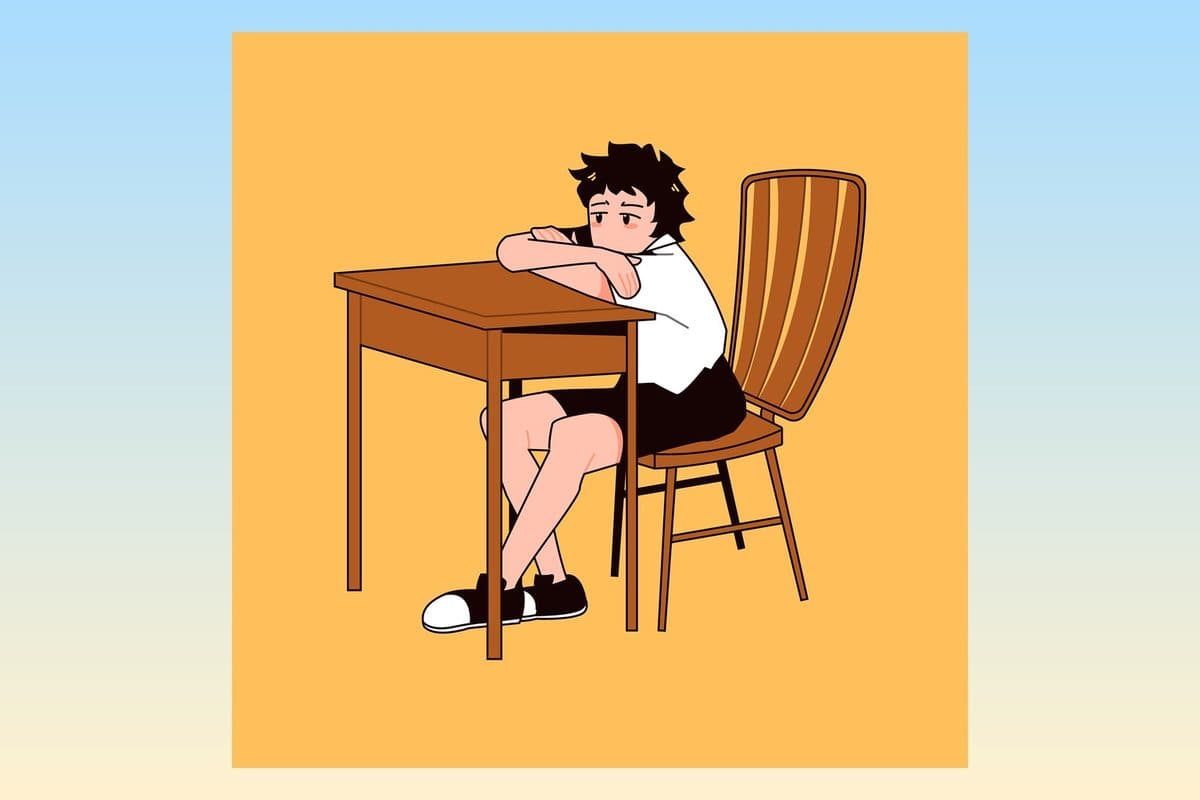
खाली कुर्सी
जब एक शर्मीली नई लड़की हर दिन अकेली बैठती है, तो एक सहपाठी उसके पास बैठने का फैसला करती है। (When a shy new girl sits alone, a classmate decides to sit with her.)
गुम हुए टुकड़े वाली पहेली
दो दोस्त एक गुम पहेली के टुकड़े पर झगड़ पड़ते हैं, फिर सीखते हैं कि माफ़ी माँगना टूटी चीज़ों को जोड़ सकता है। (Two friends fall out over a missing puzzle piece, then learn to apologize.)
जिसे किसी ने नहीं चुना
खेल के लिए आखिरी दो चुने गए बच्चे शर्मिंदगी को एक अनोखी दोस्ती में बदल देते हैं। (The last two kids picked for a game turn embarrassment into friendship.)
दूर चली गई सहेली
जब उसकी सबसे अच्छी दोस्त दूसरे शहर चली जाती है, तो एक लड़की सीखती है कि दोस्ती दूरी से खत्म नहीं होती। (When her best friend moves away, a girl learns friendship doesn't end with distance.)
एक ट्रॉफी की प्रतियोगिता
एक ही कला पुरस्कार के लिए प्रतिस्पर्धा करती दो सबसे अच्छी दोस्त सीखती हैं कि एक-दूसरे का साथ देना जीतने से भी ज़्यादा मायने रखता है। (Two best friends competing for the same prize learn cheering for each other matters more.)
सबसे तेज़ तालियाँ बजाने वाली
स्कूल के टैलेंट शो में जाने से घबराया एक लड़का अपनी सबसे अच्छी दोस्त के सहारे हिम्मत पाता है। (A boy nervous about the talent show finds courage with his best friend cheering for him.)
उधार ली हुई किताब
एक लड़का गलती से अपने दोस्त की पसंदीदा किताब खराब कर देता है, फिर सच बोलने की हिम्मत दिखाता है। (A boy accidentally ruins his friend's favorite book and learns to tell the truth.)
दो अलग टिफ़िन
बिल्कुल अलग लगने वाले दो सहपाठी पाते हैं कि अलग होना दोस्ती को कम नहीं, ज़्यादा दिलचस्प बनाता है। (Two very different classmates learn differences make friendship more interesting.)
नए बच्चे की भाषा
स्थानीय भाषा न बोलने वाला लड़का एक ऐसा दोस्त पाता है जो उसे सिखाता है कि दयालुता को अनुवाद की ज़रूरत नहीं। (A boy who doesn't speak the local language finds a friend and learns kindness needs no translation.)
आखिरी टुकड़ा बाँटना
दो भूखे दोस्त पार्टी में केक के आखिरी टुकड़े के लिए झगड़ते हैं, फिर उसे बाँटना सीखते हैं। (Two friends fight over the last slice of cake, then learn to share it.)
वह छाता जो उन्होंने साझा किया
जब अचानक बारिश मिया को बिना छाते के स्कूल के छज्जे के नीचे फँसा देती है, उसकी एक सहपाठी जिससे उसने कभी बात नहीं की, बिना एक शब्द कहे अपना छाता उसकी ओर बढ़ा देती है — और घर तक की एक छोटी, सूखी सैर दो अजनबियों को दोस्त बना देती है। (When sudden rain traps Mia under the school awning with no umbrella, a classmate she's never spoken to holds hers out without a word — and a small, dry walk home turns two strangers into friends.)
वह खामोश रिसेस
स्कूल में नया और बोलने में बहुत शर्मीला, उमर हर रिसेस उसी बेंच पर अकेला बिताता है, जब तक एक सहपाठी यह पूछना बंद नहीं कर देता कि क्यों और बस उसके बगल में बैठना शुरू नहीं कर देता। (New to school and too shy to speak up, Omar spends every recess alone on the same bench, until a classmate stops asking why and simply starts sitting beside him instead.)
टूटी हुई क्रेयॉन
जब आर्ट क्लास में अदिति की इकलौती लाल क्रेयॉन बीच से टूट जाती है, उसे यकीन हो जाता है कि उसकी तस्वीर बर्बाद हो गई — जब तक उसकी टेबल पार्टनर अपनी आधी क्रेयॉन उसकी ओर नहीं खिसका देती, और दो टूटे टुकड़े मिलकर किसी भी साबुत क्रेयॉन से बेहतर तस्वीर बना देते हैं। (When Aditi's only red crayon snaps in half during art class, she's sure her picture is ruined — until her tablemate slides over half of her own, and two broken pieces make one better drawing than either whole crayon could have.)
वह दोस्त जो हमेशा जीतता था
रोहन को अपने सबसे अच्छे दोस्त देव के साथ गेम नाइट्स पसंद हैं, सिवाय उस हिस्से के जहाँ देव को हर एक गेम जीतना ही होता है, नियमों पर बहस करते हुए और पासे फिर से फेंकते हुए — जब तक एक बार हारना देव को यह नहीं सिखाता कि वह असल में क्या खो रहा था। (Rohan loves game nights with his best friend Dev, except for the part where Dev has to win every single game, arguing rules and re-rolling dice — until losing at something for once teaches Dev what he's actually been risking.)
वह राज़ जो उसे बताने का हक नहीं था
जब सिमरन को अपनी सबसे अच्छी दोस्त नीता का बताया एक राज़ पता चलता है, वह इसे लोकप्रिय समूह के साथ साझा करने के लिए ललचाती है सिर्फ शामिल महसूस करने के लिए — जब तक उसे एहसास नहीं होता कि वह असल में क्या खो रही है। (When Simran learns a secret her best friend Nita confided in her, she's tempted to share it with the popular group just to feel included — until she realizes what she'd actually be trading away.)
वह ग्रुप चैट जिसने किसी को छोड़ दिया
जब एक नई क्लास ग्रुप चैट बनती है और ज़ायान को कुछ दिनों बाद पता चलता है कि उसे कभी जोड़ा ही नहीं गया, वह मान लेता है कि यह जानबूझकर किया गया — जब तक समूह की असली प्रतिक्रिया यह नहीं दिखाती कि यह उसकी सोच से कहीं ज़्यादा आसानी से ठीक होने वाली बात थी। (When a new class group chat gets made and Zayan realizes days later he was never added, he assumes it was deliberate — until the group's actual reaction reveals it was something much easier to fix than he feared.)
वह माफी जिसमें एक हफ्ता लगा
एक बेवकूफी भरे मज़ाक पर बहस असली दुख में बदलने के बाद, यूसुफ को एक दिन के अंदर पता चल जाता है कि वह गलत था — पर घमंड उसे पूरे एक हफ्ते माफी माँगने से रोकता है, जब तक अपने दोस्त को याद करना शर्मिंदगी से ज़्यादा बुरा नहीं हो जाता। (After an argument over a stupid joke escalates into real hurt, Yusuf knows he was wrong within a day — but pride keeps him from apologizing for an entire week, until missing his friend becomes worse than being embarrassed.)
वह दोस्त जो सब कुछ नकल करता था
जब उसका छोटा दोस्त ईशान उसकी हर चीज़ की नकल करने लगता है — उसके कपड़े, उसका पसंदीदा बैंड, यहाँ तक कि उसकी लिखावट — लीला को पहले यह अच्छा लगता है, फिर असहज, जब तक वह इसे ऐसी प्रशंसा के रूप में देखना नहीं सीखती जिसे बस सही दिशा देने की ज़रूरत है। (When her younger friend Ishaan starts copying everything about her — her clothes, her favorite band, even her handwriting — Leela finds it flattering at first, then unsettling, until she learns to see it as admiration that just needs redirecting.)
दो सबसे अच्छी दोस्त और नई लड़की
जब फरीदा नाम की एक नई लड़की सबसे अच्छी दोस्त निशा और ओरा के साथ लंच खाना शुरू करती है, दोनों चुपचाप चिंता करती हैं कि तीन के लिए जगह नहीं है — जब तक उन्हें पता नहीं चलता कि दोस्ती असल में सीमित टुकड़ों वाले पिज़्ज़ा की तरह काम नहीं करती। (When a new girl named Farida starts eating lunch with best friends Nisha and Ora, both of them quietly worry there isn't room for three — until they discover friendship doesn't actually work like a pizza with only so many slices.)
वह खामोश सज़ा
एक ग्रुप प्रोजेक्ट पर असहमति के बाद, तनवी और वेई पूरी तरह बोलना बंद कर देते हैं, दोनों यकीन करते हुए कि पहले माफी दूसरे को माँगनी चाहिए — जब तक एक टीचर की एक साधारण टिप्पणी बर्बाद हुए एक हफ्ते के बारे में उन्हें यह नोटिस करने पर मजबूर नहीं करती कि असल में किसी को कुछ नहीं मिला। (After a disagreement over a group project, Tanvi and Wei stop speaking entirely, each one certain the other should apologize first — until a teacher's simple observation about a week of wasted silence forces them to notice what neither of them had actually gained.)
वह दोस्त जिसने सच बताया
जब मीरा अपनी सबसे अच्छी दोस्त आयशा को एक ऐसा प्रोजेक्ट जमा करते देखती है जो लगभग पूरी तरह एक वेबसाइट से नकल किया गया है, उसे चुपचाप आराम से रहने और सच बताकर दोस्ती को खतरे में डालने के बीच चुनना पड़ता है। (When Meera watches her best friend Ayesha about to hand in a project she copied almost entirely from a website, she has to choose between staying comfortably quiet and risking their friendship by telling her the truth.)
वह प्रतिद्वंद्वी जो दोस्त बन गया
तीन सालों से, अर्णव और दीया हर विषय में सबसे ऊपर की रैंक के लिए होड़ करते रहे हैं, स्कोर की तुलना करने के अलावा शायद ही कभी बात करते हुए — जब तक एक ग्रुप प्रोजेक्ट उन्हें साथ-साथ काम करने पर मजबूर नहीं कर देता, और वे प्रतिद्वंद्वी के पीछे के इंसान को खोज लेते हैं। (For three years, Arnav and Diya have competed for the top rank in every subject, barely speaking outside of comparing scores — until a group project forces them to work side by side, and they discover the person behind the rival.)
वह दोस्तों का समूह जो खुद से आगे बढ़ गया
पाँच दोस्त जो कभी बिल्कुल सब कुछ साथ करते थे, आठवीं कक्षा तक खुद को अलग-अलग क्लबों और अलग-अलग लंच टेबलों में बँटा हुआ पाते हैं — और प्रियंका को सीखना पड़ता है कि दूर होना दुश्मन बनने जैसा नहीं होता। (The five friends who once did absolutely everything together find themselves, by eighth grade, splitting into different clubs and different lunch tables — and Priyanka has to learn that growing apart isn't the same as growing enemies.)
वह बहस जिसने उनकी दोस्ती परखी
जब कबीर और सिमरन को स्कूल यूनिफॉर्म पर एक क्लास डिबेट में विपरीत पक्षों की बहस करने के लिए चुना जाता है, सिमरन को चिंता होती है कि प्रतिस्पर्धा असली झगड़े में बदल जाएगी — जब तक उसे पता नहीं चलता कि किसी विचार से असहमत होने का मतलब दोस्त से असहमत होना नहीं है। (When Kabir and Simran are assigned to argue opposite sides of a class debate on school uniforms, Simran worries the competition will turn into a real fight — until she learns that disagreeing about an idea doesn't have to mean disagreeing about a friend.)
वह दोस्त जिसे जगह चाहिए थी
जब हफ्तों की लगातार मुलाकातों के बाद तारा थोड़ी जगह माँगती है, उसकी सबसे अच्छी दोस्त ईशा इसे अस्वीकृति मान लेती है और दुख में डूब जाती है — जब तक उसे पता नहीं चलता कि किसी को साँस लेने की जगह देना खुद एक तरह की वफ़ादारी है। (When Tara asks for a little space after weeks of constant hangouts, her best friend Isha takes it as rejection and spirals into hurt — until she learns that giving someone room to breathe is its own kind of loyalty.)
वह दोस्त जो वादा नहीं निभा पाया
जब रेहान तीसरी बार अपनी सबसे अच्छी दोस्त का बड़ा प्रदर्शन चूक जाता है, हर बार वादा करते हुए कि ऐसा फिर नहीं होगा, सना को यह तय करना पड़ता है कि क्या वादे को माफ करती रहे या आखिरकार इसके पीछे के पैटर्न को संबोधित करे। (When Rehan misses his best friend's big performance for the third time, promising each time it won't happen again, Sana has to decide whether to keep forgiving the promise or finally address the pattern behind it.)
वह खामोश साथ
जब वेई अपने दोस्त जेडन को उसके माता-पिता के तलाक के बाद चुप और दूर होते देखता है, वेई को समझ नहीं आता कि क्या कहे — जब तक उसे पता नहीं चलता कि बार-बार साथ रहना, सही शब्दों की ज़रूरत के बिना, खुद एक तरह की मदद है। (When Wei notices his friend Jayden going quiet and distant after his parents' divorce, Wei doesn't know what to say — until he learns that showing up, again and again, without needing the right words, is its own kind of help.)
दूर होने के बाद फिर से जुड़ना
किसी खास वजह के बिना दो साल दूर रहने के बाद, आलिशा और रानी खुद को एक चचेरी बहन की शादी में एक-दूसरे के बगल में बैठा पाती हैं, और तय करना पड़ता है कि उनके बीच की खामोशी हमेशा के लिए है या बस एक ईमानदार बातचीत से टूट सकती है। (Two years after drifting apart over nothing in particular, Alisha and Rani find themselves seated next to each other at a cousin's wedding, and have to decide whether the silence between them is permanent or just something that needs one honest conversation to break.)
वह दोस्ती जिसे सफलता ने परखा
जब उसकी सबसे अच्छी दोस्त मीरा वह राज्य कला प्रतियोगिता जीत जाती है जिसमें दोनों ने भाग लिया था, प्रिया की बधाई एक ऐसी मुस्कान से निकलती है जो पूरी तरह उसकी आँखों तक नहीं पहुँचती — जब तक उसे एहसास नहीं होता कि उसकी जलन उसे प्रतियोगिता हारने से कहीं ज़्यादा महँगी पड़ रही है। (When her best friend Mira wins the state art competition they'd both entered, Priya's congratulations come out through a smile that doesn't quite reach her eyes — until she realizes her jealousy is costing her more than losing the contest ever did.)
वह दोस्त जिसने नकाब के पार देखा
अमारा ने "मैं ठीक हूँ" कहने की कला में एक भरोसेमंद मुस्कान के साथ महारत हासिल कर ली है जब से उसके ग्रेड गिरने लगे, जब तक उसकी दोस्त दिव्या — जिसने कभी उस मुस्कान पर पूरी तरह भरोसा नहीं किया — धीरे से सच के लिए जगह नहीं बना देती। (Amara has perfected the art of saying "I'm fine" with a convincing smile ever since her grades started slipping, until her friend Divya — the only one who never quite believed the smile — gently makes room for the truth.)