Story Reader
Pick a story, dive right in
Filter by category, level, or language — every story includes vocabulary, a moral, and a quiz.
30 stories found
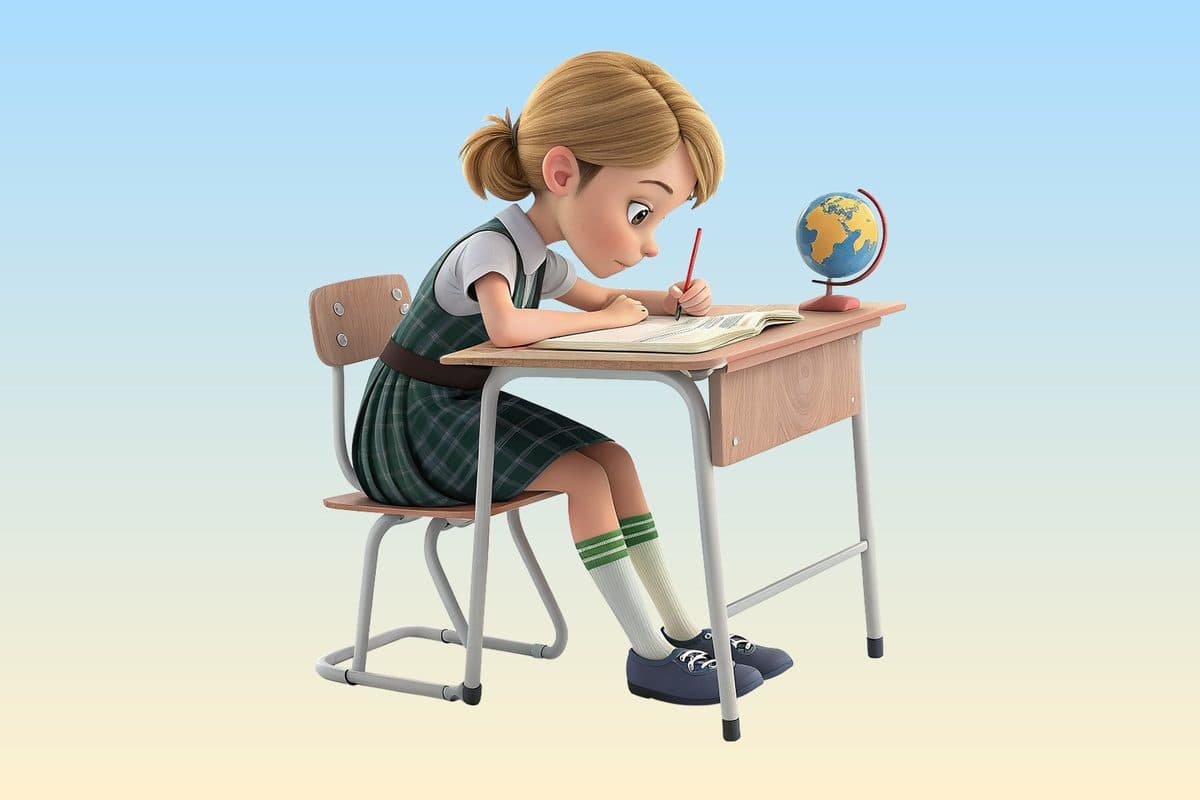
The Half-Finished Homework
A girl who always leaves homework for the last minute finally learns, during one stressful, rushed morning, why a little bit each day is easier than a mountain all at once.
आधा हुआ होमवर्क
हमेशा होमवर्क को आखिरी पल तक छोड़ने वाली लड़की एक तनावपूर्ण सुबह में सीखती है कि रोज़ थोड़ा करना क्यों आसान है। (A girl who leaves homework for the last minute learns a little each day beats a mountain.)
பாதி முடிந்த வீட்டு வேலை
எப்போதும் வீட்டு வேலையை கடைசி நேரத்திற்கு தள்ளும் பெண், ஒரு பதற்றமான காலையில் தினமும் கொஞ்சம் செய்வது ஏன் எளிது என்று கற்றுக்கொள்கிறாள். (A girl who leaves homework for the last minute learns a little each day beats a mountain.)
The Broken Toy Truth
A girl who breaks her brother's toy by accident is tempted to blame the family dog, until she realizes a small lie would cost her something far more valuable than the toy.
टूटे खिलौने का सच
गलती से भाई का खिलौना तोड़ने वाली लड़की कुत्ते पर दोष मढ़ने के बजाय सच बोलना चुनती है। (A girl who breaks her brother's toy is tempted to blame the dog, but chooses truth.)
உடைந்த விளையாட்டு உண்மை
தற்செயலாக தம்பியின் பொம்மையை உடைத்த பெண், நாயின் மேல் குற்றம் சாட்டுவதற்குப் பதிலாக உண்மையைச் சொல்ல தேர்வு செய்கிறாள். (A girl who breaks her brother's toy is tempted to blame the dog, but chooses truth.)
The Wasted Water
A boy who leaves the tap running while brushing his teeth learns the true value of water after a visit to a village where his cousin walks miles each day just to fetch it.
बर्बाद हुआ पानी
दाँत ब्रश करते समय नल खुला छोड़ने वाला लड़का पानी की सच्ची कीमत तब समझता है जब उसका चचेरा भाई हर दिन मीलों चलकर पानी लाता है। (A boy who wastes water learns its true value visiting a village where water is fetched by hand.)
வீணாக்கிய தண்ணீர்
பல் துலக்கும்போது குழாயை திறந்தே வைக்கும் சிறுவன், தன் உறவினர் தினமும் மைல்கள் நடந்து தண்ணீர் கொண்டு வரும் கிராமத்திற்குச் சென்று அதன் மதிப்பைப் புரிந்துகொள்கிறான். (A boy who wastes water learns its true value in a village where water is fetched by hand.)
The Excuse Machine
A boy who always has an excuse ready for everything learns from his coach that owning a mistake, instead of explaining it away, is what actually helps him improve.
बहाना बनाने की मशीन
हर चीज़ के लिए बहाना तैयार रखने वाला लड़का कोच से सीखता है कि गलती मानना बहाना बनाने से ज़्यादा फायदेमंद है। (A boy who always has excuses learns from his coach that owning a mistake helps him improve.)
சாக்கு சொன்ன யந்திரம்
எல்லாவற்றுக்கும் ஒரு காரணத்தை தயார் வைத்திருக்கும் சிறுவன், தவறை ஒப்புக்கொள்வது காரணம் சொல்வதை விட உதவும் என்று பயிற்சியாளரிடமிருந்து கற்றுக்கொள்கிறான். (A boy who always has excuses learns from his coach that owning a mistake helps him improve.)
The Copied Homework
The morning before math homework is due, Kabir copies his friend's answers word for word instead of doing the work himself — and discovers that the grade he 'earned' feels completely hollow compared to the ones he actually worked for.
The Group Project Slacker
When Rohit does almost nothing for the group science project and still expects to share the same grade as his teammates, he has to face what fairness actually means when everyone finds out.
वह ग्रुप प्रोजेक्ट में काम न करने वाला
जब रोहित ग्रुप साइंस प्रोजेक्ट के लिए लगभग कुछ नहीं करता और फिर भी अपने साथियों के जैसा ही ग्रेड पाने की उम्मीद करता है, उसे यह सामना करना पड़ता है कि जब सब कुछ पता चलता है तो निष्पक्षता का असल में क्या मतलब है। (When Rohit does almost nothing for the group science project and still expects to share the same grade as his teammates, he has to face what fairness actually means when everyone finds out.)
குழு திட்டத்தில் வேலை செய்யாதவன்
ரோஹித் குழு அறிவியல் திட்டத்திற்காக கிட்டத்தட்ட எதுவும் செய்யாமல் இருந்தும் தன் அணி உறுப்பினர்களைப் போலவே அதே மதிப்பெண்ணைப் பெற எதிர்பார்க்கும்போது, அனைவரும் அறியும்போது நியாயம் என்பது உண்மையில் என்ன என்பதை அவன் எதிர்கொள்ள வேண்டியிருக்கிறது. (When Rohit does almost nothing for the group science project and still expects to share the same grade as his teammates, he has to face what fairness actually means when everyone finds out.)
The Found Money
When Zara finds a hundred-rupee note lying on the playground with no one around to see, she has to decide between quietly keeping money that isn't hers and the much harder job of finding out who actually lost it.
वह मिला हुआ पैसा
जब ज़ारा को खेल के मैदान में पड़ा सौ रुपये का नोट मिलता है और आसपास उसे देखने वाला कोई नहीं होता, उसे चुपचाप वह पैसा रखने और यह पता लगाने के कहीं ज़्यादा मुश्किल काम के बीच चुनना पड़ता है कि इसे असल में किसने खोया। (When Zara finds a hundred-rupee note lying on the playground with no one around to see, she has to decide between quietly keeping money that isn't hers and the much harder job of finding out who actually lost it.)
கிடைத்த பணம்
விளையாட்டு மைதானத்தில் கிடந்த நூறு ரூபாய் நோட்டை சாரா கண்டுபிடிக்கும்போது, யாரும் அருகில் பார்க்காதபோது, தனக்குச் சொந்தமில்லாத பணத்தை அமைதியாக வைத்திருப்பதற்கும் அதை உண்மையில் இழந்தவர் யார் என்று கண்டுபிடிக்கும் மிகக் கடினமான வேலைக்கும் இடையே அவள் தேர்வு செய்ய வேண்டியிருக்கிறது. (When Zara finds a hundred-rupee note lying on the playground with no one around to see, she has to decide between quietly keeping money that isn't hers and the much harder job of finding out who actually lost it.)
वह नकल किया हुआ होमवर्क
गणित होमवर्क जमा होने से एक सुबह पहले, कबीर खुद काम करने की बजाय अपने दोस्त के जवाब शब्द-दर-शब्द नकल करता है — और पाता है कि जो ग्रेड उसने 'कमाया' वह उन ग्रेडों के मुकाबले बिल्कुल खोखला महसूस होता है जिनके लिए उसने असल में मेहनत की थी। (The morning before math homework is due, Kabir copies his friend's answers word for word instead of doing the work himself — and discovers that the grade he 'earned' feels completely hollow compared to the ones he actually worked for.)
நகலெடுக்கப்பட்ட வீட்டுப்பாடம்
கணித வீட்டுப்பாடம் சமர்ப்பிக்க வேண்டிய காலைக்கு முன், கபீர் தானே வேலை செய்வதற்குப் பதிலாக தன் நண்பனின் பதில்களை வார்த்தைக்கு வார்த்தை நகலெடுக்கிறான் — தான் 'சம்பாதித்த' மதிப்பெண் தான் உண்மையில் உழைத்துப் பெற்றவற்றுடன் ஒப்பிடும்போது முற்றிலும் வெறுமையாக உணரப்படுகிறது என்று கண்டுபிடிக்கிறான். (The morning before math homework is due, Kabir copies his friend's answers word for word instead of doing the work himself — and discovers that the grade he 'earned' feels completely hollow compared to the ones he actually worked for.)
The Unkind Joke
When his joke about a classmate's stutter gets a big laugh from the class, Yusuf feels like a comedy star — until he sees the classmate's face and realizes the laugh he'd earned had cost someone else something much bigger.
वह अशिष्ट मज़ाक
जब एक सहपाठी के हकलाने पर उसका मज़ाक क्लास से एक बड़ी हँसी पाता है, यूसुफ को कॉमेडी स्टार जैसा महसूस होता है — जब तक वह सहपाठी का चेहरा नहीं देखता और समझता है कि जो हँसी उसने कमाई उसने किसी और को कुछ बहुत बड़ा गँवाया। (When his joke about a classmate's stutter gets a big laugh from the class, Yusuf feels like a comedy star — until he sees the classmate's face and realizes the laugh he'd earned had cost someone else something much bigger.)
இரக்கமற்ற நகைச்சுவை
வகுப்புத் தோழனின் திக்குதலைப் பற்றிய அவனுடைய நகைச்சுவை வகுப்பிலிருந்து பெரிய சிரிப்பைப் பெறும்போது, யூசுஃப் ஒரு நகைச்சுவை நட்சத்திரம் போல் உணர்கிறான் — வகுப்புத் தோழனின் முகத்தைப் பார்த்து, தான் சம்பாதித்த சிரிப்பு வேறு ஒருவருக்கு மிகப் பெரிய ஒன்றை இழக்க வைத்தது என்று உணரும் வரை. (When his joke about a classmate's stutter gets a big laugh from the class, Yusuf feels like a comedy star — until he sees the classmate's face and realizes the laugh he'd earned had cost someone else something much bigger.)
The Broken Promise to a Pet
Ever since Maya begged her parents for a puppy and promised to walk him every single day, the walks have quietly gotten shorter and less frequent — until she notices her once-bouncy dog has grown sad and restless, and realizes exactly why.
पालतू जानवर से टूटा वादा
जब से माया ने अपने माता-पिता से एक पिल्ला माँगा और उसे हर रोज़ टहलाने का वादा किया, टहलाना चुपचाप छोटा और कम बार-बार होता गया — जब तक उसे नोटिस नहीं होता कि उसका कभी उछलता-कूदता कुत्ता उदास और बेचैन हो गया है, और वह समझ जाती है कि क्यों। (Ever since Maya begged her parents for a puppy and promised to walk him every single day, the walks have quietly gotten shorter and less frequent — until she notices her once-bouncy dog has grown sad and restless, and realizes exactly why.)
செல்லப்பிராணிக்கு உடைந்த வாக்குறுதி
தன் பெற்றோரிடம் ஒரு நாய்க்குட்டி வேண்டி, ஒவ்வொரு நாளும் அதை நடத்திச் செல்வதாக மாயா வாக்குறுதி அளித்ததிலிருந்து, நடைகள் அமைதியாக குறுகியதாகவும் அரிதாகவும் ஆனது — ஒரு காலத்தில் துள்ளிக் குதித்த தன் நாய் சோகமாகவும் அமைதியின்றியும் மாறியிருப்பதை அவள் கவனிக்கும் வரை, ஏன் என்று அவள் சரியாக உணர்கிறாள். (Ever since Maya begged her parents for a puppy and promised to walk him every single day, the walks have quietly gotten shorter and less frequent — until she notices her once-bouncy dog has grown sad and restless, and realizes exactly why.)
The Blame Game
When the classroom fish tank gets knocked over during recess and Aditi is the one who bumped it, her first instinct is to quietly let a classmate take the blame — until the weight of watching someone else get punished for her mistake becomes too heavy to carry.
वह दोष का खेल
जब रिसेस के दौरान क्लासरूम की मछली टंकी गिर जाती है और अदिति ही वह होती है जिसने इसे टकराया, उसकी पहली प्रवृत्ति चुपचाप एक सहपाठी को दोष लेने देने की होती है — जब तक किसी और को उसकी गलती की सज़ा मिलते देखने का बोझ ढोने के लिए बहुत भारी नहीं हो जाता। (When the classroom fish tank gets knocked over during recess and Aditi is the one who bumped it, her first instinct is to quietly let a classmate take the blame — until the weight of watching someone else get punished for her mistake becomes too heavy to carry.)
குற்றச்சாட்டு விளையாட்டு
இடைவேளையின்போது வகுப்பறை மீன் தொட்டி கவிழும்போது, அதை மோதியவள் அதிதி — அவளுடைய முதல் உள்ளுணர்வு அமைதியாக ஒரு வகுப்புத் தோழி குற்றத்தை ஏற்க விடுவதாக இருந்தது — வேறு ஒருவர் தன் தவறுக்காக தண்டிக்கப்படுவதைப் பார்க்கும் சுமை தாங்க முடியாத அளவு கனமாகும் வரை. (When the classroom fish tank gets knocked over during recess and Aditi is the one who bumped it, her first instinct is to quietly let a classmate take the blame — until the weight of watching someone else get punished for her mistake becomes too heavy to carry.)